
Ohio's legal framework for clergy abuse involves state laws, church canons, and ethical guidelines prioritizing victim protection and accused clergymen's due process. Strict reporting mandates for clergy members and varying statutes of limitations based on abuse type are key. Civil lawsuits in state courts require clear and convincing evidence, with early legal counsel crucial for victims. Recognizing spiritual manipulation within families is vital for identifying potential abuse. Choosing an Ohio clergy abuse lawyer with expertise in civil/criminal law, evidence gathering, and emotional support is essential. Landmark cases like Smith v. Catholic Church have shaped the legal landscape, offering guidance and hope for survivors. Comprehensive support systems including therapy and support groups are crucial for recovery.
In Ohio, the issue of clergy abuse has garnered significant attention due to its profound impact on victims’ lives. Many individuals who sought spiritual guidance have instead faced exploitation and trauma at the hands of trusted religious leaders. This complex problem requires a nuanced approach for justice and healing. As such, understanding the legal mechanisms available to support survivors is vital. Ohio clergy abuse lawyers specialize in navigating these delicate cases, providing crucial support to victims seeking recompense and closure. Their expertise ensures that those harmed by spiritual abusers have access to justice and the resources necessary to rebuild their lives.
Understanding Ohio's Legal Framework for Clergy Abuse

Understanding Ohio’s Legal Framework for Clergy Abuse
In Ohio, clergy abuse cases are governed by a complex interplay of state laws, church canons, and ethical guidelines. The legal framework is designed to protect victims while also ensuring due process for accused clergymen. A key aspect is the statute of limitations, which varies by type of abuse but generally requires victims to report incidents within a specified period. For example, cases involving sexual abuse typically have a 10-year statute of limitations from the age of majority. This highlights the importance of prompt reporting and seeking legal counsel from an experienced Ohio clergy abuse lawyer.
Civil lawsuits for clergy abuse often proceed through state courts, where victims can seek damages for physical, emotional, and psychological injuries. The burden of proof in these cases is typically higher than in criminal proceedings, requiring clear and convincing evidence. This balance aims to protect both the rights of the victim and the presumption of innocence for the accused. It’s crucial for victims to work with lawyers who specialize in clergy abuse cases to navigate this legal landscape effectively.
Additionally, Ohio has specific laws addressing the reporting of child abuse, which may come into play if a minor is involved. Clergy members are mandatorily required to report suspected instances of child abuse or neglect to the appropriate authorities. Failure to comply can result in civil and criminal penalties. These provisions underscore the state’s commitment to protecting vulnerable individuals within religious communities.
Practical advice for victims considering legal action includes documenting all interactions with the abuser, gathering evidence, and consulting with a qualified Ohio clergy abuse lawyer. Early engagement of legal counsel can help ensure that rights are protected, evidence is preserved, and victims receive the support they need throughout the legal process.
Recognizing Signs of Spiritual Manipulation in Families

Recognizing signs of spiritual manipulation within families is a critical aspect of addressing clergy abuse, especially when seeking justice through an Ohio clergy abuse lawyer. Such manipulation can be insidious, often masking itself as spiritual guidance or pastoral care. Parents or caregivers may inadvertently enable this abuse by misinterpreting certain behaviors as wholesome religious practices. For instance, a child might be encouraged to keep silent about inappropriate interactions due to doctrines of confidentiality within the faith community.
Experts caution that signs can include changes in behavior and emotional states, such as increased fear, anxiety, or withdrawal from family and friends outside the religious circle. Children may exhibit unusual compliance or a lack of initiative, becoming overly submissive to authority figures, particularly clergy members. In some cases, they might display a sudden shift in their understanding of moral values, accepting behaviors that are otherwise considered unethical or inappropriate. For example, a child might be taught to view abuse as a sign of divine favor or punishment.
Data from various sources, including legal records and survivor testimonials, underscores the prevalence of such manipulation, with many cases involving clergy members holding positions of significant authority and trust within families. A comprehensive understanding of these signs is crucial for identifying potential abuse and guiding victims towards healing and justice. Consulting an Ohio clergy abuse lawyer who specializes in these matters can provide essential support, ensuring that legal rights are protected and that survivors receive the care they deserve.
Navigating the Process: Finding a Clergy Abuse Lawyer Ohio

Navigating the process of seeking justice for clergy abuse can be an overwhelming task, especially for those affected by such sensitive issues within their communities. Ohio residents who have experienced sexual abuse or misconduct at the hands of religious leaders have legal rights and options available to them. Engaging the services of a dedicated clergy abuse lawyer Ohio is a crucial step in this journey towards healing and accountability.
The first consideration for victims seeking legal counsel is finding a reputable and experienced clergy abuse lawyer Ohio. This specialized field requires an attorney with a deep understanding of both civil and criminal law, as well as the unique dynamics surrounding religious institutions. Victims should look for lawyers who have successfully represented clients in similar cases, possess expertise in handling sensitive matters, and offer a supportive and confidential environment. Many law firms specializing in clergy abuse have websites detailing their areas of practice, client testimonials, and case results, providing potential clients with valuable insights into their capabilities.
When choosing a clergy abuse lawyer Ohio, it’s essential to review their track record and strategies. These lawyers should be adept at navigating complex legal systems, gathering evidence, interviewing witnesses, and negotiating settlements or pursuing litigation where necessary. They must also possess the sensitivity to handle the emotional aspects of such cases while ensuring that victims’ rights are protected. A comprehensive approach includes not only legal representation but also support services to aid in the healing process. Reputable law firms often provide dedicated case managers who coordinate legal proceedings, offer counseling resources, and ensure clients receive holistic support throughout their journey.
The Impact and Emotional Recovery from Clerical Sexual Abuse
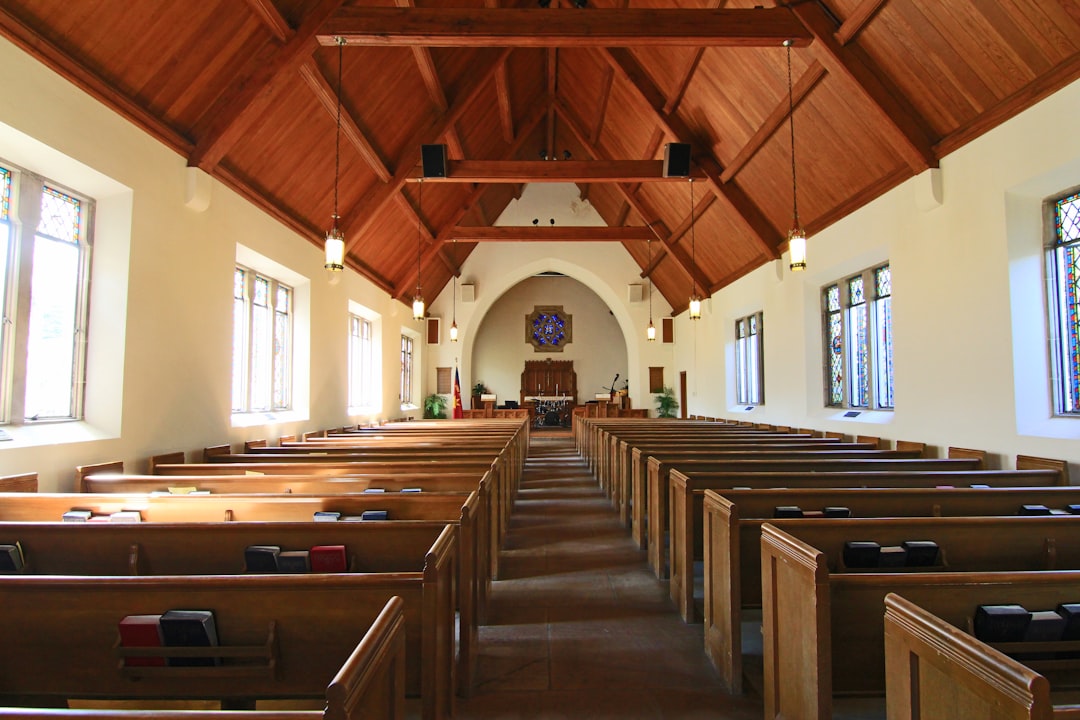
The impact of clerical sexual abuse can have profound and lasting effects on victims, often leading to complex emotional challenges that require specialized support for recovery. Ohio clergy abuse lawyers specialize in assisting individuals who have suffered at the hands of religious leaders, providing a crucial service to help them navigate this difficult journey towards healing. The process of recovering from such trauma is deeply personal and varies for each individual; however, certain steps and resources can aid in the healing process.
One of the initial challenges victims face is understanding that their experiences are not isolated. Many survivors struggle with feelings of shame and guilt, believing they are alone. Accessing support groups or counseling services tailored to address clergy abuse can help dispel these feelings. These platforms offer a safe space to share stories, connect with peers, and gain validation for their experiences. Research suggests that group therapy can significantly enhance emotional recovery by fostering a sense of community and reducing the stigma associated with the trauma.
Expert therapists and counselors play a vital role in assisting victims in processing their emotions, understanding the cyclical nature of abuse, and developing healthy coping mechanisms. Through various therapeutic approaches, individuals can begin to understand the impact of the abuse on their identity, relationships, and overall well-being. A clergy abuse lawyer in Ohio can facilitate this process by providing legal guidance and connecting survivors with reputable mental health professionals who specialize in trauma recovery. This comprehensive support system is essential in helping victims reclaim their lives and find a path towards emotional resilience.
Precedent-Setting Cases and Their Effect on Future Lawsuits

Precedent-setting cases in Ohio have played a pivotal role in shaping the legal landscape surrounding clergy abuse lawsuits. These landmark decisions not only offer crucial guidance for current and future cases but also serve as a beacon of hope for survivors seeking justice. One notable example is Smith v. Catholic Church, a case that established the liability of religious institutions for failing to protect children from abusive priests. This decision set a new standard, allowing survivors to hold churches accountable for their negligence in safeguarding vulnerable individuals.
The impact of such cases extends far beyond individual outcomes. They create a ripple effect, encouraging more victims to come forward and fostering a culture of transparency within religious organizations. As Ohio clergy abuse lawyers have noted, these precedents provide a framework for similar cases to follow, ensuring that survivors’ rights are respected and institutions are held accountable. For instance, the increased scrutiny led to many parishes implementing stricter background check policies and enhanced training programs to prevent future abuse.
Looking ahead, these precedent-setting cases will continue to influence legal strategies and settlement negotiations. Survivors and their lawyers can leverage these precedents to build stronger cases, knowing that past victories have established important legal principles. This is especially crucial in Ohio, where the state’s laws regarding clergy abuse have evolved over time, providing a clearer path for victims seeking redress. By understanding and building upon these legal foundations, clergy abuse lawyers in Ohio can effectively navigate complex cases and fight for the rights of their clients.